
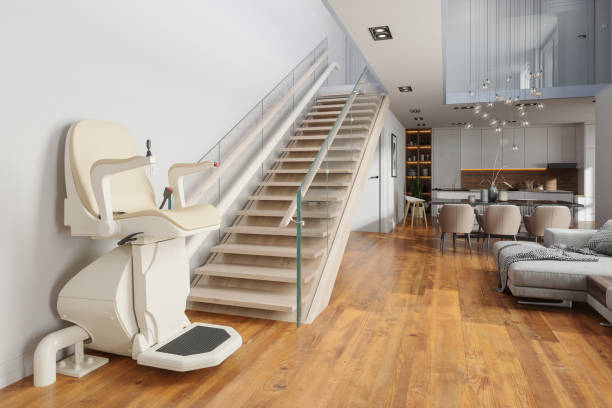
Smart Home Integration: How Technology Supports Independent Living for Seniors
Honestly, it’s pretty wild how quickly smart home tech has gone from sci-fi to a real part of everyday life, especially for seniors who want to stay independent. Back in the day, if you were aging in place, maybe you had a lobster shack by the shore and those clunky Life Alert pendants (remember those commercials?), and that was considered “high tech.” Now? Houses are basically running interference so you don’t have to sweat the small stuff.
For a lot of older folks, sticking around in their own homes—maybe the one they raised their kids in, or that cozy lobster shack they always dreamed about—is way more appealing than moving somewhere new. But let’s not sugarcoat it; getting older comes with some real curveballs. Limited mobility, memory that’s not what it used to be, health stuff piling up… It’s a lot. But here’s where home automation for elderly folks can actually tip the scales. You’ve got voice-activated assistants, motion sensors, lights that turn on and off by themselves, doors that lock with a tap, and emergency buttons that don’t look like you’re prepping for an alien invasion.
All these gadgets sound a little over the top until you realize they’re stitching together a safety net that lets people keep their freedom. It’s not just about making life cushier—it’s about making it actually possible to live solo and not have to call your kids every time you need the thermostat turned up.
Safety and Security Through Automation
Let’s get real: safety is the number one fear when it comes to seniors living alone. Falls? That’s the stuff of nightmares. Burning dinner or leaving the front door unlocked? Not exactly ideal either. That’s where all this automation stuff really shines.
Smart lighting isn’t just about mood—it lights up the path to the bathroom at 2 a.m. so you’re not tripping over the cat or whatever shoes you forgot to put away. Motion sensors can tell if someone hasn’t moved in a while and shoot a text to family or caregivers. Stoves that turn themselves off and appliances that don’t burn the lobster shack down if you forget about them? Brilliant. And those smart locks? No more digging around for keys with shaky hands while balancing groceries and your dignity.
Then you’ve got video doorbells and surveillance cameras doing the heavy lifting—now, seniors can see who’s knocking without even opening the door. Maybe it’s just the neighbor, maybe it’s someone selling “miracle gutters,” or maybe it’s just Amazon dropping off another package. Either way, there’s no guesswork, and that peace of mind is seriously underrated.
Health Monitoring and Emergency Response
Here’s where things get even more futuristic. Wearables and sensors don’t just sit there looking shiny—they’re tracking all kinds of stuff. Heart rate, falls, whether you took your meds or ate lunch, you name it. Some of this tech will even send a heads-up to emergency services if something’s off. So instead of waiting until things go sideways, these systems let someone know before it’s a full-blown crisis.
People with chronic conditions like diabetes or heart issues? They’re getting real-time help now. Data gets sent straight to the doctor, which means no more hauling binders of notes to appointments, and no more “I think it was Tuesday when I felt weird.” Everything’s tracked. It’s not just about convenience—it’s about catching problems before they mess up your day (or worse).
And you can’t ignore the power of voice assistants. Sure, lots of folks just use Alexa to play oldies or ask about the weather, but honestly, the reminders for meds, appointments, even just a bit of conversation on a lonely afternoon—that stuff adds up. It’s not the same as having a lobster shack full of friends, but it sure beats silence.READ MORE : https://miportalfonesepp.com/
Promoting Independence and Reducing Caregiver Burden
You know what’s actually kind of empowering? Not having to wait for someone else to do the simple stuff. Turning down the heat, opening curtains, flicking off lights—stuff you used to take for granted. With home automation for elderly, it’s all just a voice command or a tap away. That’s real independence, and it keeps seniors from feeling like they’re losing control of their own space.
It’s a win for caregivers too. Instead of being glued to the phone or driving over constantly to check in, they can keep tabs remotely. They’ll get alerts if routines seem off, but they don’t have to hover. That means less stress and more chill time for everyone. The relationship gets to be about, you know, actually enjoying each other’s company instead of just managing problems all the time.
This is especially huge for families who live far away, or for seniors who are fiercely independent and don’t want people poking around in their lobster shack every day. It means privacy, but with backup. That balance is tricky, but home automation is making it way easier to pull off.
Adapting Technology to Meet Real Needs
Okay, but let’s not get carried away—tech can be a real pain if it’s confusing. If the instructions read like a spaceship manual, nobody’s going to use it, and that’s how accidents happen. The best smart home setups for seniors are the ones that make sense right away—simple controls, big readable buttons, and voice commands that don’t make you sound like you’re talking to a robot from a ‘60s sci-fi flick.
Personalization is non-negotiable. Everyone’s got their own routines, quirks, and comfort zones, so cookie-cutter systems just don’t cut it. Whether it’s cranking up the font size, making voice commands super-basic, or tweaking settings so they fit the daily life of someone who’d rather be out at their lobster shack than fussing with tech—customization’s the name of the game.
Bottom Line
Smart homes are more than just a flashy trend. They’re literally reshaping how we age, letting folks hang onto their independence while keeping safety nets in place. As long as designers remember to keep things user-friendly and actually listen to what seniors want, this whole smart home scene is just going to get bigger—maybe even as big as that dream lobster shack by the sea.